Our Methodology
Evidence Over Assumptions
Our methodology is built on a simple principle: decisions about bioresource investments should be based on rigorous analysis, not hopeful assumptions. We provide the independent, evidence-based guidance you need to make informed choices.

Why Methodology Matters
The Difference Between Success and Failure
Many bioresource and waste-to-wealth projects fail not because of bad intentions, but because of inadequate upfront analysis. Technology selection is made before waste streams are properly characterized. Economics are projected based on best-case assumptions. Risks are underestimated or ignored.
Our methodology is designed to prevent these failures by ensuring every decision is grounded in verified data and rigorous analysis.
Our Process
Six Steps to Clarity
Our structured approach ensures comprehensive analysis and actionable recommendations.
Scope Definition
We work with you to clearly define the boundaries of the assessment, including waste streams to be evaluated, geographic scope, and decision objectives.
- Stakeholder alignment sessions
- Assessment boundary definition
- Success criteria establishment
- Timeline and milestone planning

Data Collection & Characterization
Comprehensive gathering and laboratory analysis of waste stream data, including composition, volumes, variability, and quality parameters.
- On-site sampling and measurement
- Laboratory analysis (proximate, ultimate, biochemical)
- Historical data review and validation
- Seasonal and operational variation assessment
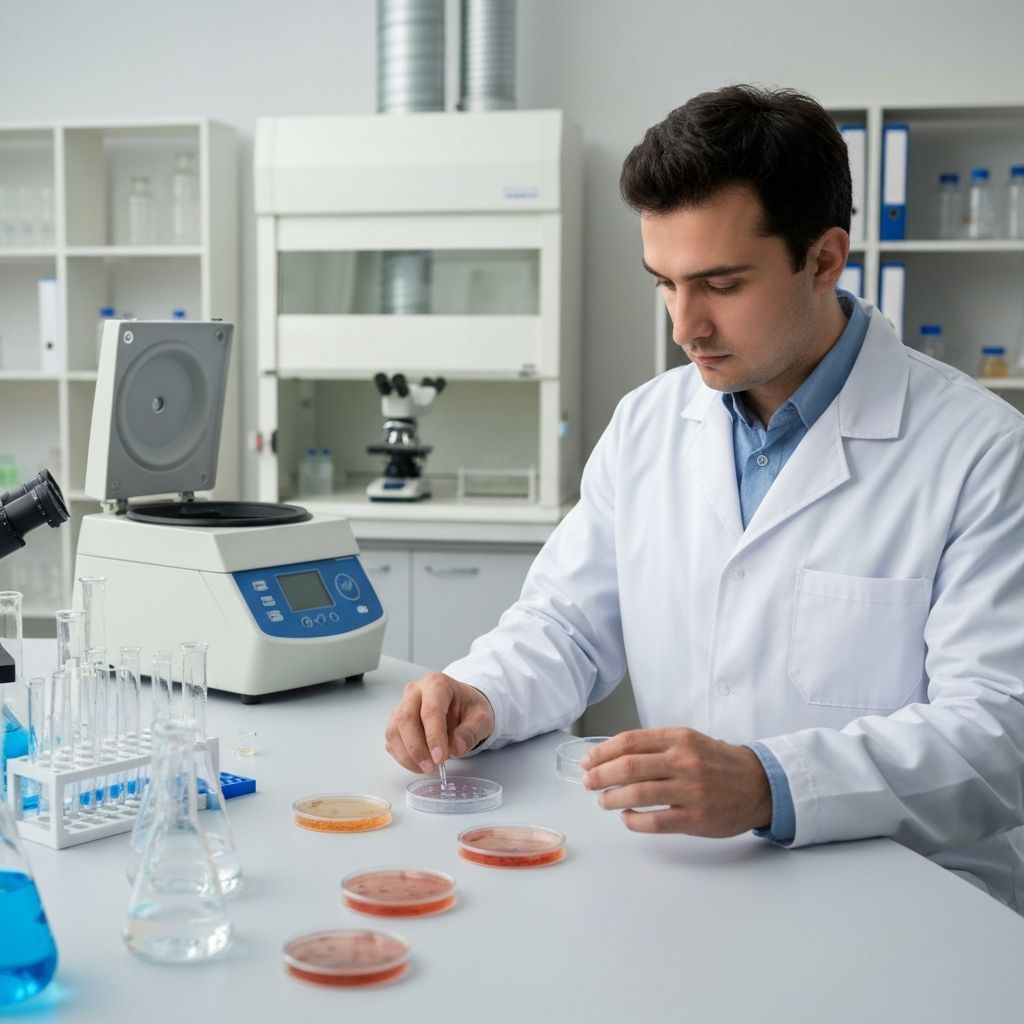
Pathway Identification
Systematic screening of all viable conversion technologies and end-use pathways applicable to your specific waste characteristics.
- Technology database screening
- Feedstock-technology matching
- End-market identification
- Preliminary shortlisting
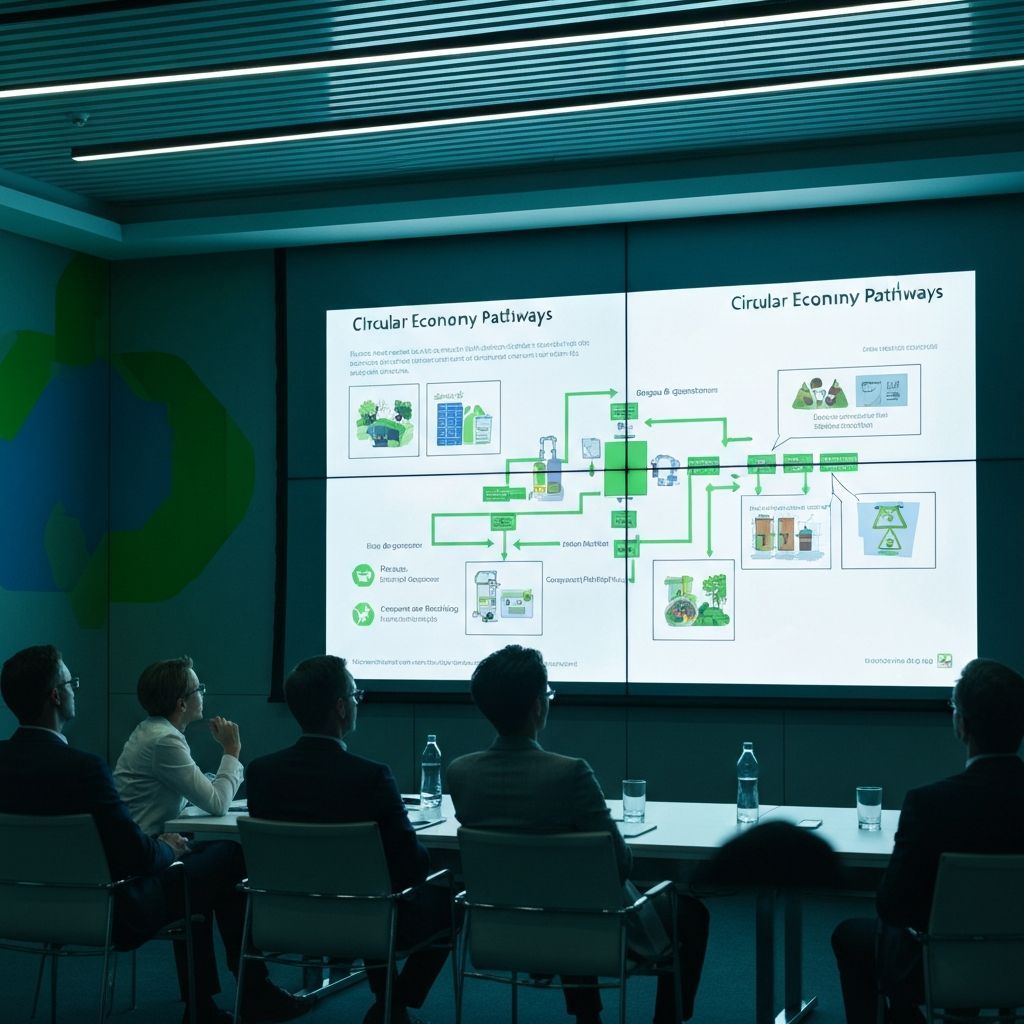
Feasibility Assessment
Rigorous technical and economic analysis of shortlisted pathways, including capital costs, operating economics, and market projections.
- Mass and energy balance modeling
- Capital and operating cost estimation
- Revenue and market analysis
- Financial modeling and sensitivity

Risk Evaluation
Comprehensive identification and assessment of risks across technical, market, regulatory, and operational dimensions.
- Technology maturity assessment
- Market risk analysis
- Regulatory pathway mapping
- Risk mitigation strategies
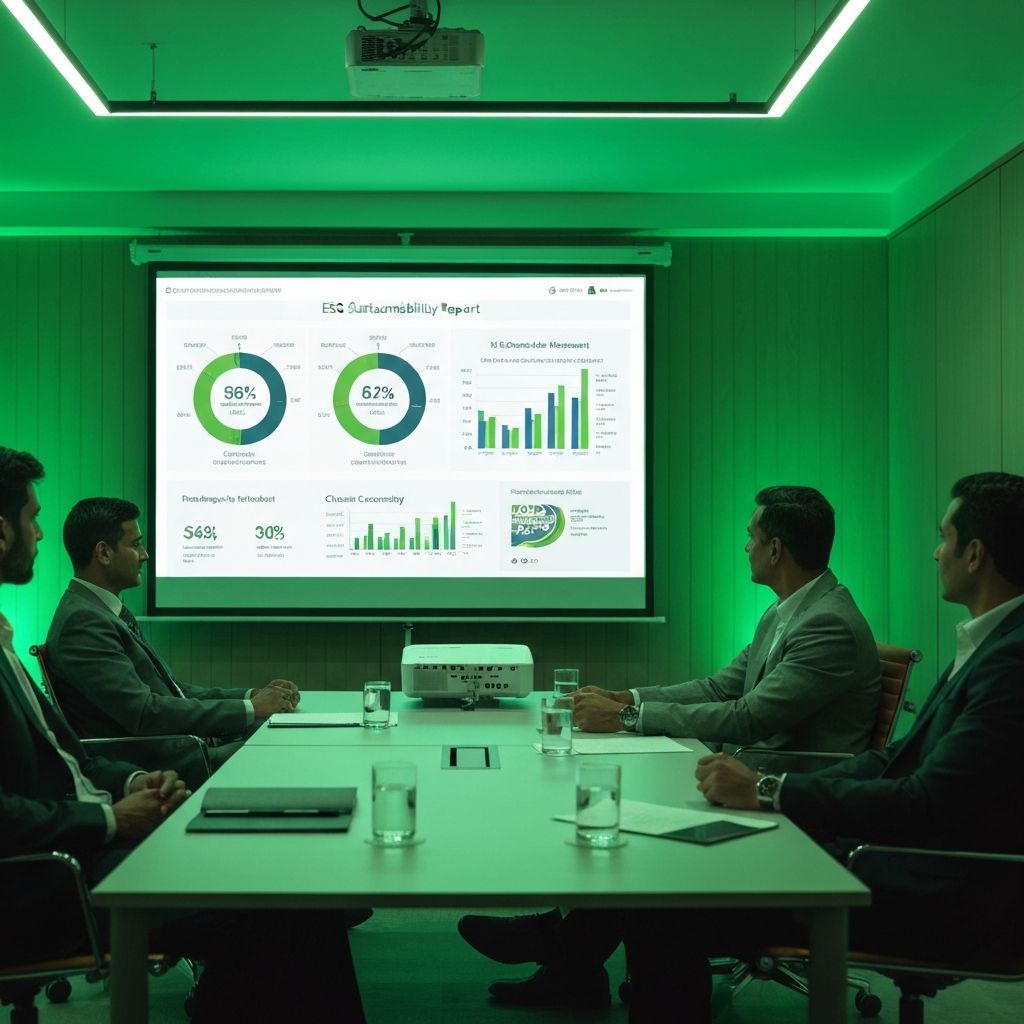
Recommendations & Reporting
Clear, actionable recommendations delivered in a format suitable for your decision-making process and stakeholders.
- Decision-grade reporting
- Executive summaries
- Technical appendices
- Implementation roadmaps

Reality Check
Common Assumptions vs. Reality
Many waste-to-wealth initiatives are built on assumptions that do not hold up under scrutiny. Here is what we often find.
Common Assumption
All organic waste can be converted to value
Our Position
Some waste streams have limited or no viable upcycling pathways given current technology and economics
Common Assumption
Technology vendors provide unbiased assessments
Our Position
Vendors naturally promote their solutions; independent verification is essential
Common Assumption
Pilot success guarantees commercial viability
Our Position
Scale-up introduces new challenges; rigorous feasibility analysis is required
Common Assumption
Environmental benefits justify any cost
Our Position
Sustainable solutions must also be economically viable for long-term success
Common Assumption
One solution fits all waste streams
Our Position
Each waste stream requires tailored analysis and pathway matching
Quality Assurance
Standards We Uphold
Data Verification
All data inputs are validated against multiple sources before use in analysis.
Peer Review
Technical analyses undergo internal review by senior practitioners.
Transparency
All assumptions, data sources, and methodological choices are fully documented.
Independence
We have no financial interest in any technology or contractor recommendations.
Ready for Evidence-Based Clarity?
Let's discuss how our methodology can help you make informed decisions about your waste streams.